Section 8 Deal Analysis: FMR Is Not the Deal
Section 8 deal analysis starts with Fair Market Rent, but the rent number still has to survive underwriting gates, cashflow, inspection risk, and capital velocity.
BRRR is the strategy that turns a single down payment into five rental properties. Buy distressed, rehab to raise the appraised value, rent to stabilize, refinance most of the capital back out, repeat with the recovered cash.
The math is simple. The execution is not. Most investors who try BRRR stall on the third loop, not because the strategy stopped working but because they never built the operational plumbing it requires: rehab budgets tracked to the dollar so the refinance lender has clean numbers, ARV conversations with the appraiser backed by actual comps, seasoning rules understood before acquisition so the refinance window is predictable, and cash flow modeled after refinance so the higher debt service does not surprise you at month four.
The posts in this cluster are the operator mechanics of BRRR. How much to leave in the deal on refinance. When to force a second appraisal. Which rehab line items raise appraised value and which do not. How to build a rehab scope the contractor cannot scope creep. What the cap rate needs to be after the refinance to make the next loop worth running.
If you are evaluating your first BRRR deal, start with the pillar. Then work through the specific posts on rehab tracking and refinance seasoning.
Read the BRRR Strategy pillar guideSection 8 deal analysis starts with Fair Market Rent, but the rent number still has to survive underwriting gates, cashflow, inspection risk, and capital velocity.
How to use the BRRRR seasoning period as a prep window so your cash out refinance funds the day the 6 month rule clears. Operational checklist, lender...
# How to Calculate Cash on Cash Return on a Rental Property (and the 5 Mistakes That Inflate Your Number) A friend told me last week he was pulling a 14%...
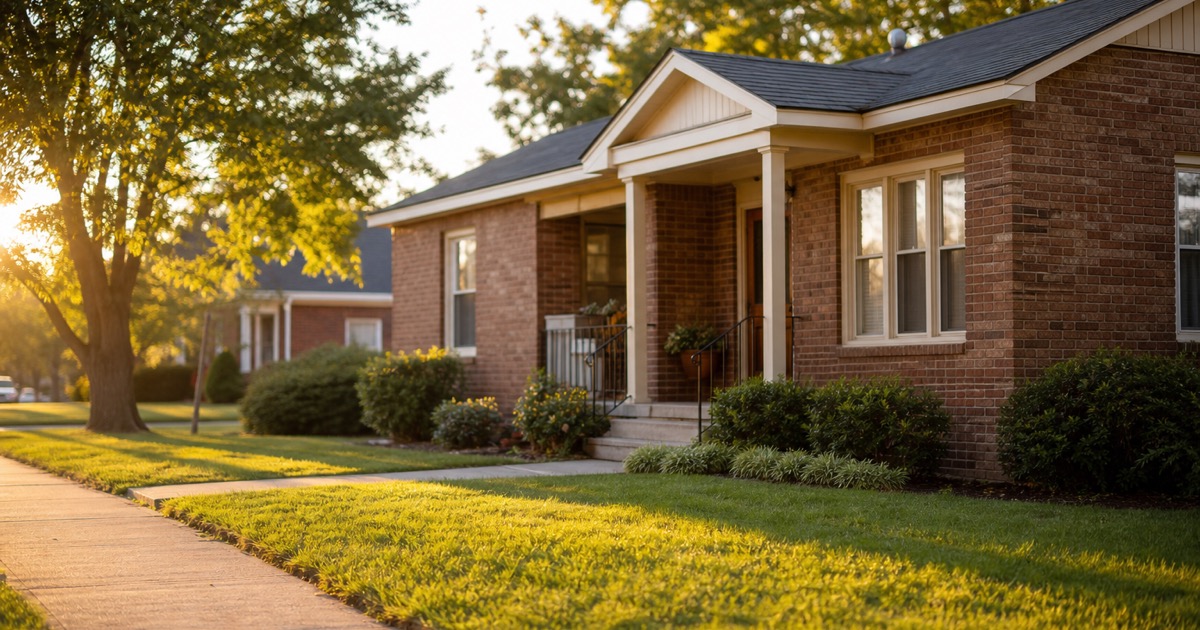
Section 8 deal analysis starts with Fair Market Rent, but the rent number still has to survive underwriting gates, cashflow, inspection risk, and capital velocity.

How to use the BRRRR seasoning period as a prep window so your cash out refinance funds the day the 6 month rule clears. Operational checklist, lender package, and a real 184 day Birmingham case study.
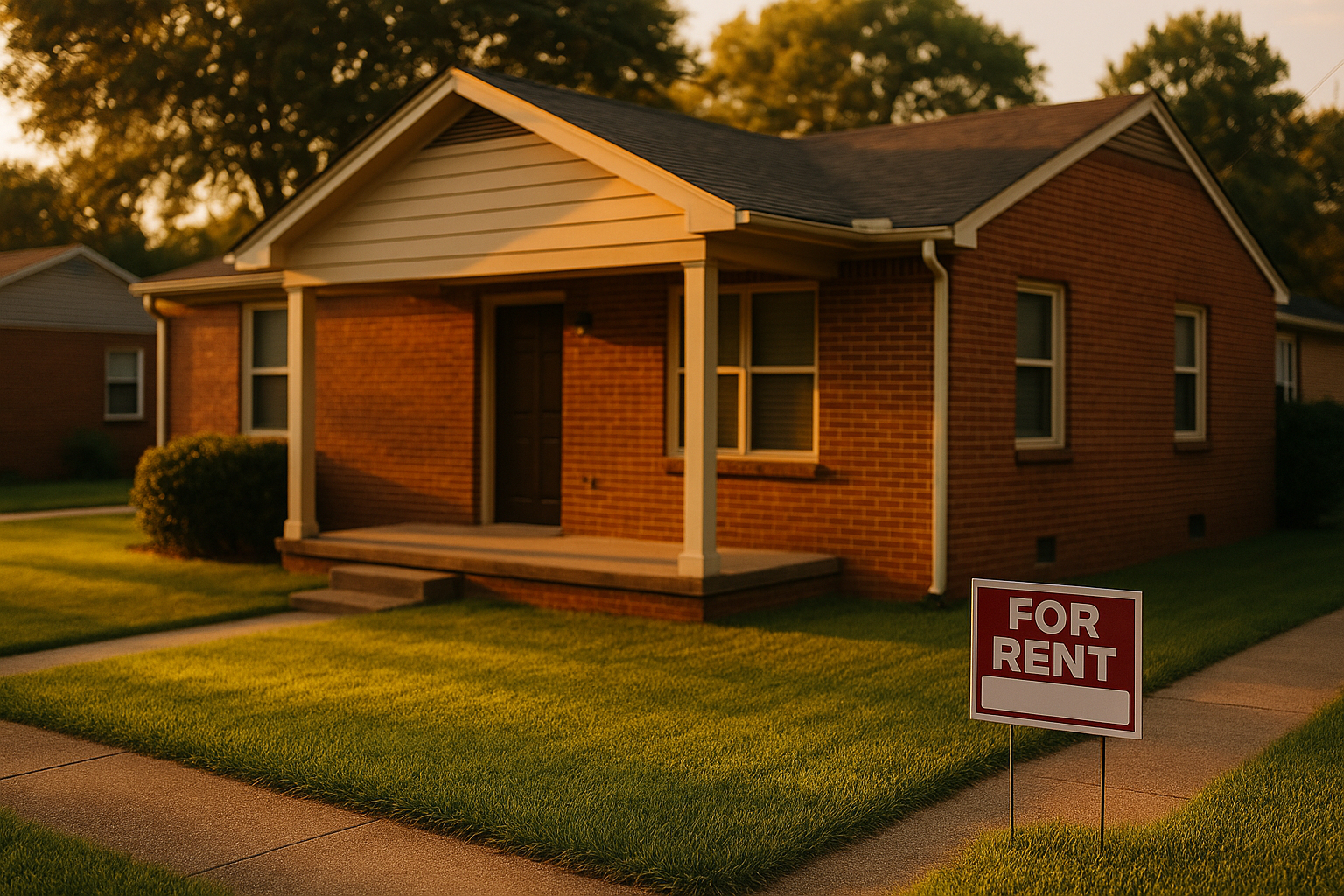
# How to Calculate Cash on Cash Return on a Rental Property (and the 5 Mistakes That Inflate Your Number) A friend told me last week he was pulling a 14% cash on cash return on a Birmingham single fa

May is when most BRRR investors start calling lenders. Rates have stabilized, the tax scramble is over, and it finally feels like the right moment to cash out and recycle capital into the next deal

You hear it all the time: "Rental properties are passive income." Then you buy your third property in a different state, and suddenly you're spending two full Saturdays a month reconciling PM stateme

Two investors start with the same $75K. Five years later, one owns 3 properties, the other owns 12. The difference is a single metric most investors never measure: capital velocity.

Everything rental investors need to know about DSCR loans in 2026: how the ratio is calculated, who qualifies, current rates and fees, how DSCR compares to conventional and hard money, the BRRR plus DSCR combo, and the 5 mistakes that kill applications.

Refinance timing is the number one BRRR question. Here is how to know when your property is actually ready, and how DoorVault tracks refinance readiness across every deal.

DSCR loans are still the workhorse of rental investors in 2026. Here are current rates, what lenders actually require, and how DoorVault tracks every loan term across your portfolio.

Rehab costs rose 5% in 2026 and labor shortages are making budget overruns the new normal. Here's how BRRR investors track budget vs. actual without spreadsheets using Knox AI.
DoorVault tracks rehab spend to budget, forced appreciation to appraised value, refinance proceeds, and post refinance cash flow on every BRRR deal. Free plan included.
Start free