
What To Do After Your First Rental Property: The Door 2 System
What to do after buying your first rental property is the wrong question if property one is still running on memory.
The right question is uglier: could you buy door 2 tomorrow without turning your rental business into a folder named “misc”?
One rental can survive on vibes for a while. You remember the insurance renewal. You know which email has the lease. You can squint at the bank deposit and tell yourself the PM statement probably matches.
Then a second property shows up.
Suddenly the same casual system has twice the records, twice the dates, twice the statements, and twice the ways to be wrong quietly.
Yeah. That is the graduation gift.
Door 1 is a property. Door 2 is a system test
The first rental teaches you how ownership actually feels after closing.
Not the podcast version.
The inbox version.
The insurance version.
The “why did the PM payout land 3 days after the statement” version.
Before you chase another address, make property one repeatable. You should know rent, debt, insurance, lease dates, repair history, tax records, equity, and cash flow without rebuilding the month from five places.
That does not mean property one needs to be perfect.
Perfect is fake.
It means the record needs to be clean enough that door 2 copies the system instead of copying the mess.
A current investor thread about paying off a first rental turned into the exact question this article answers: what next? The useful answers were not magic. Improve the asset. Know your goals. Avoid getting sloppy because the first one worked.
Good advice.
Missing piece: the owner system that makes it repeatable.
The 7 records to clean before you scale
Before door 2, property one needs 7 records in one owner view:
- Lease and rent schedule
- PM statement or tenant ledger
- Bank deposit trail
- Loan balance and escrow split
- Insurance premium and renewal date
- Repairs and capital improvements
- Year end tax categories
That is the boring list.
That is also the business.
If rent is $1,850, the mortgage payment is $1,140, insurance is $168 a month, and repairs averaged $230 over the last 6 months, you should be able to see the real spread without opening a spreadsheet tab from March.
“I will clean it up when I buy the next one.”
No, you will not.
You will be shopping loans, reviewing inspection photos, texting the PM, and pretending the first property’s lease is somewhere obvious.
It is never somewhere obvious.
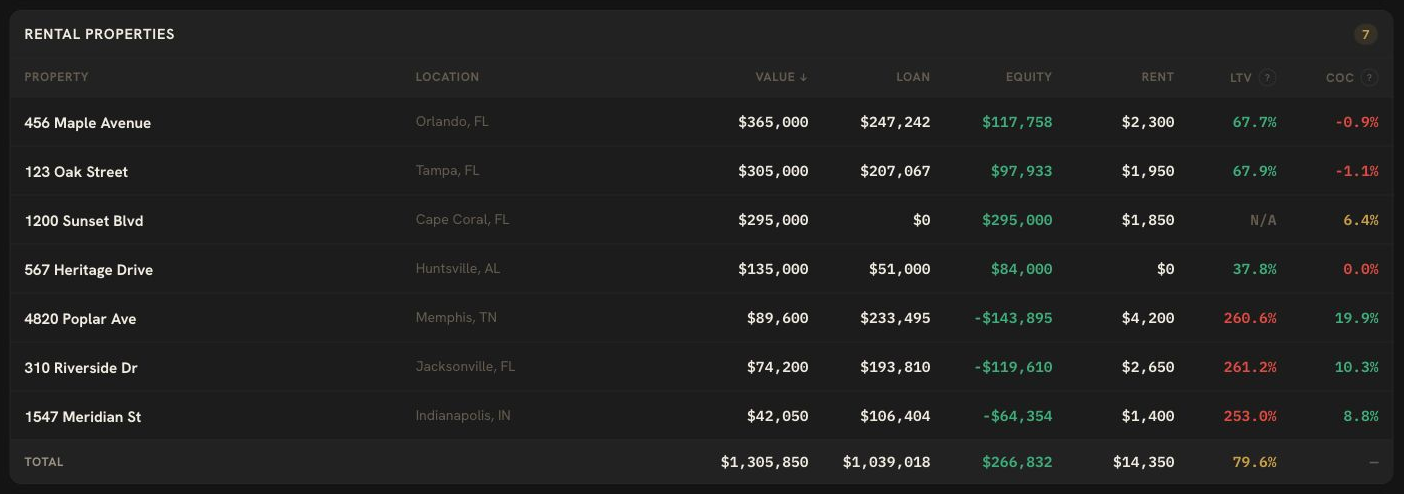
DoorVault puts each property’s value, loan, equity, rent, LTV, and cash on cash in one portfolio view. The investor does not have to remember which spreadsheet has the latest version because the property record carries the answer.
Your PM can manage the property. You still manage the asset
Hiring a property manager does not remove owner work.
It changes the work.
The PM handles tenants, maintenance, showings, collections, and day to day operating noise. That is property management. The owner still owns the asset record.
The statement needs to match the bank.
The repair needs invoice proof.
The insurance renewal needs to be noticed before it renews badly.
The loan needs principal and interest split correctly.
The tax record needs to survive January.
DoorVault exists for that owner side gap. Forward any real estate email, upload a file, or sync a folder. Knox reads the documents, files them to the right property, proposes the bookkeeping, and leaves review items where they belong.
That matters before the second property.
With one door, you can catch things because the portfolio is small enough to hold in your head. With 3 doors, memory becomes a terrible employee with excellent confidence.
The related checklist is here if your PM statements already feel suspicious: https://blog.doorvault.app/property-manager-statement-checklist-owners-managing-blind
The second property should not create a second universe
Most investors do not fail because door 2 is bad.
They fail because door 2 lives in a separate universe.
New bank account.
New PM portal.
New insurance carrier.
New loan.
New lease dates.
New folder.
New spreadsheet tab with the confidence of a bridge made from napkins.
The fix is not more discipline. Discipline is what people say when the system is doing nothing.
The fix is a single owner record across every property.
DoorVault ties the boring sources together. PM statements roll into per property P&L. Bank reconciliation checks the money movement. Documents stay attached to the property they prove. Loan payments split into principal, interest, taxes, and insurance. The equity tracker shows whether buying, refinancing, selling, or holding is changing the portfolio.
Not one heroic month in April.
Every month.
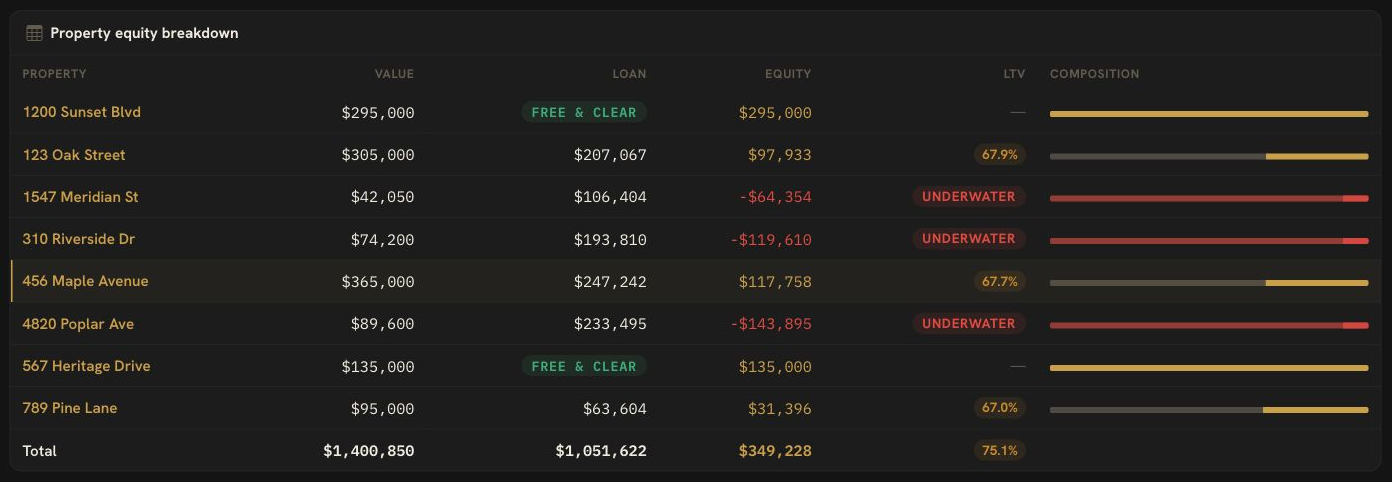
The equity breakdown is where door count turns into decision math. Value, debt, equity, LTV, and property by property exposure belong in one place before another purchase adds more debt and more noise.
Buy the next door after the first one can answer 5 questions
Before you buy again, ask property one these 5 questions:
- What was the real cash flow last month?
- Did the PM statement match the bank deposit?
- What repair pattern changed in the last 90 days?
- What insurance, lease, loan, or tax deadline is coming next?
- If I had to refinance or sell, what is the current equity picture?
If you cannot answer those in 30 seconds, the next property will not make you more organized.
It will make you busier.
That is not a moral failure. It is what happens when a portfolio outgrows the beginner operating system. The beginner system is you remembering things. The owner system is the records answering back.
DoorVault has a deeper operating system breakdown here: https://blog.doorvault.app/rental-portfolio-operating-system-scale-past-10-doors
FAQ
What should I do after buying my first rental property?
Stabilize the first property, clean the records, confirm the bank trail, track repairs, document insurance and loan terms, and make sure you can explain the real monthly cash flow before buying the next one.
When should I buy my second rental property?
Buy the second property after the first one has a repeatable operating record. You should know rent, expenses, debt, equity, insurance, lease dates, and tax categories without reconstructing the month manually.
Do I need software for one rental property?
One rental can survive without software, but that is how bad habits start. The right time to build the system is before door 2 because every new property multiplies documents, dates, statements, and decisions.
How does DoorVault help investors scale?
DoorVault gives investors one owner side system across properties. Knox reads documents and real estate emails, files records to the right property, checks PM statements against money movement, tracks loans and equity, and keeps tax records ready.
If door 2 would double your spreadsheet, start with DoorVault at https://doorvault.app.
Forward the email. Upload the file. Sync the folder. Let Knox do the boring part before the portfolio gets louder.